How much does it cost to replace siding on a house in Dripping Springs?
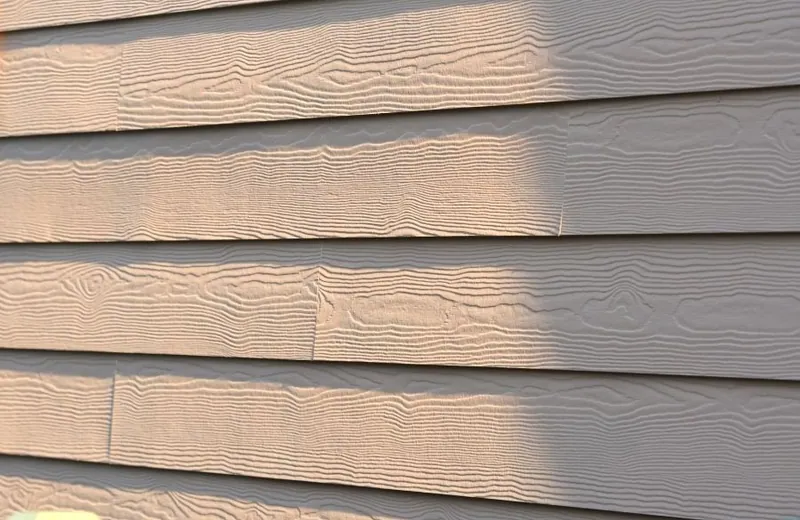
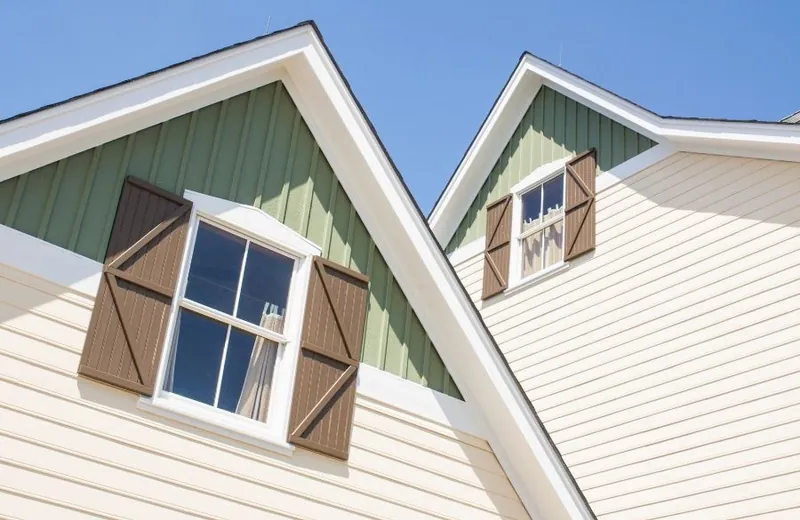
Most full re-siding projects here cost between about $12,000 and $55,000. Material and wall area make the biggest difference. Vinyl on a simple single-story home is at the low end. A two-story home re-sided in James Hardie fiber cement, with new house wrap, flashing, trim and paint, usually runs $30,000 or more. Repairs to one wall or a section of trim often cost $2,500–$9,000. Hidden sheathing rot, hillside access and HOA or permit requirements can change the price. Your free inspection gives you a written, itemized estimate, including an allowance for any damage hidden behind the siding.
How long does a siding replacement take?
Most homes take one to three weeks on site once work begins. A single hail-damaged wall might take one to three days. A full two-story fiber cement re-side with trim and paint usually takes two to three weeks. Before work starts, HOA approval in places like Belterra, Headwaters or Rough Hollow can take one to four weeks, and city or historic-district reviews may add time. Summer heat and spring storms can also affect the schedule. We give you a realistic timeline up front and keep you updated if weather pushes anything back.
Do I need a permit or HOA approval to replace siding?
It depends on your address. In much of unincorporated Hays and Travis County, re-siding often doesn't need a city building permit. The City of Dripping Springs reviews work inside city limits, and exterior changes in the historic area may need approval. Austin requires permits for many exterior alterations and a Certificate of Appropriateness in local historic districts. Lakeway, Bee Cave, West Lake Hills, Kyle and Buda each have their own rules. Most planned communities require HOA approval of material, color and masonry percentage. We check all of this for you and help with the paperwork.
Will you help with a hail damage insurance claim?
Yes. We inspect for free, photograph and measure the damage, and give you a detailed written estimate to share with your adjuster. We'll also point out matching problems, such as a discontinued vinyl profile, that can affect how much of the house should be replaced. You handle the claim directly with your insurer. Texas law prohibits contractors from waiving or covering your deductible, and we follow that rule. Be careful with anyone who offers to, especially the out-of-town crews that show up after big spring storms.
Is James Hardie fiber cement better than vinyl in the Texas heat?
For most Hill Country homes, yes. Fiber cement won't warp or melt in 100°F heat or from light reflected off windows. It doesn't rot, termites and woodpeckers can't damage it, and it's noncombustible, which matters near cedar brush. Factory-baked finishes also hold their color much longer on west-facing walls. Vinyl costs less up front and works well on a tight budget or for insurance-funded repairs in places like Kyle, especially if you choose a thicker, heat-rated panel. We'll lay out the trade-offs honestly for your home and exposure.
How can I prevent siding damage and rot?
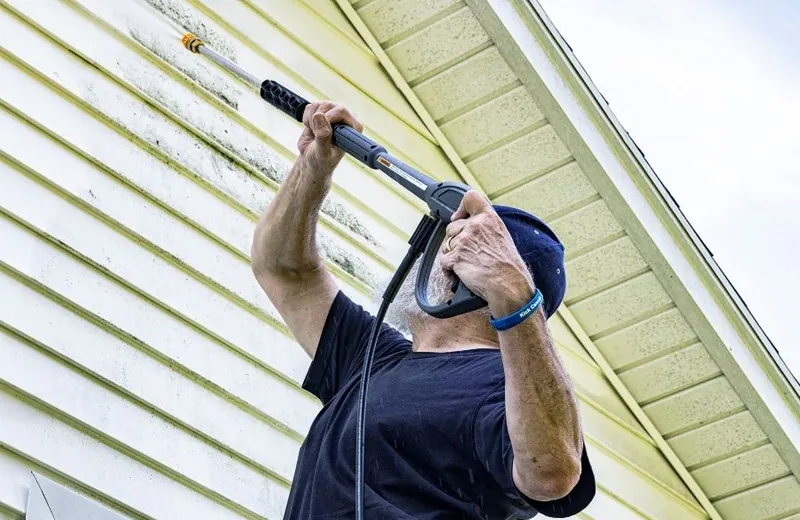
Keep at least six inches between the siding and the soil or mulch, and two inches above any roof surfaces. Adjust sprinklers so they don't spray the walls. Clean gutters so water doesn't overflow onto fascia and trim. Re-caulk butt joints and window trim when the caulk cracks, usually every few years in our UV. Trim back oak and juniper branches to let north walls dry out. Repaint painted fiber cement before the finish starts to chalk. Seal any carpenter-bee holes in cedar right away. An inspection after any big hailstorm will catch hidden damage early.
When should I repair siding instead of replacing it?
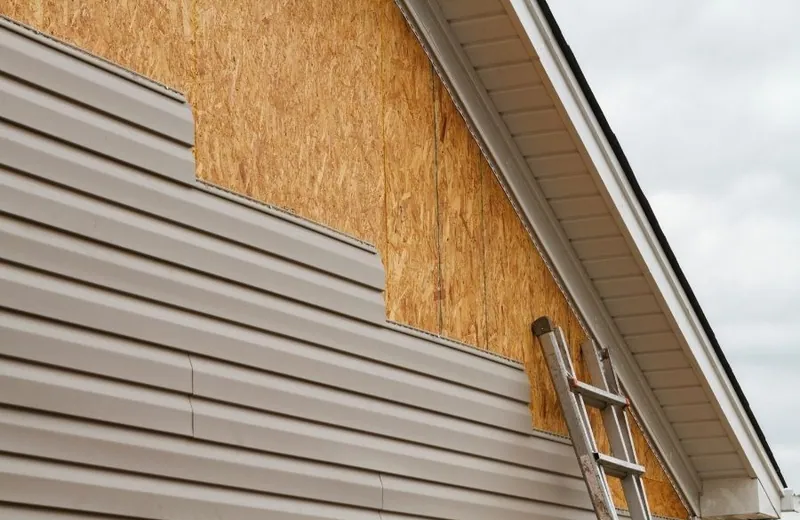
Repair makes sense when the damage is limited to a few boards or one wall, the rest of the siding is still sound, and you can match the material. Replacement is usually the better choice when hardboard is swelling across several walls, rot has spread into the sheathing, the vinyl profile is discontinued, or you want a different material like fiber cement for better fire and hail resistance. Act quickly if you see soft spots, interior water stains or swollen bottom edges. Water behind siding keeps damaging the wall even when the outside looks fine.
Is my new siding covered by a warranty?
Siding manufacturers such as James Hardie offer product warranties, but they usually depend on the siding being installed to their specifications, including ground and roof clearances, fastening and flashing. We follow those requirements on every job so your coverage stays valid. The workmanship terms for your project are spelled out in writing with your estimate, so you know exactly what's covered before you sign. Ask us during your free inspection and we'll walk you through the warranty options for each material.